
Updated on May 13, 2026
Your electricity bill just arrived, and it’s higher than you expected. Now that you work from home, the lights, heater, computer, and kettle are all running during the day. Maybe you’ve heard that solar can help, but you’re not sure if it’s the right choice for you.
It can.
In 2026, thanks to a federal battery rebate and lower system prices, the benefits are even bigger.
At PSC Energy, we install solar and battery systems across Western Sydney and regional NSW every week. We’ve seen how much bills can change, so we know the real impact solar and batteries have. Today, we’ll give you a clear and honest overview.
In this article, you’ll learn about the following:
- Why Working from Home Raises Your Electricity Bill
- Making the Most of Solar While Working from Home
- Why Feed-In Tariffs Make a Solar Battery More Valuable Than Ever
- Battery Attachment Rates Are Rising Across Australia
- Time-of-Use Tariffs and Why Your Evenings Cost More
- Solar Battery Rebates Available Right Now in NSW
- What Solar and a Battery Actually Save You in 2026
- The Environmental Case for Solar in 2026
- FAQ: Solar and Home Batteries for Work from Home
By the end of this article, you’ll know how working from home affects your solar savings, why a home battery is a smart choice now, and what savings you might see.
Why Working from Home Raises Your Electricity Bill
If you work in an office, your home stays empty most of the day. But when you work from home, that’s no longer true. Most people who start working from home see their electricity bills rise by 20 to 30%. Here’s why:
- Your computer, monitors, and work devices run all day.
- You heat or cool the house during hours it used to sit empty.
- You make more coffee, heat more food, and use more hot water.
- The lights stay on from morning through to the evening.
The good news is that solar panels make the most power during the day, right when you’re home to use it. Working from home means you can use that energy as it’s made.
If you’re interested in learning a bit more about solar panels and energy systems, you might want to check out the following article titled, Are Solar Panels Worth It in NSW, Australia? A Price Breakdown for 2026.
Making the Most of Solar While Working from Home
Solar panels make electricity from sunrise to sunset, with the most power coming around midday. If you’re home during those hours, you use that power directly before it goes to the grid.
Every kilowatt-hour (kWh) of solar you use replaces a kWh you would have bought at $0.35 to $0.45 from the grid.
Instead of running appliances at night when electricity is most expensive, you can move those tasks to daylight hours:
- Run the washing machine or dishwasher during the middle of the day.
- Pre-heat or pre-cool your home in the early afternoon.
- Charge your devices and run your home office on free solar power.
- Use any other high-energy appliances while the sun is up.
This is the main advantage of working from home. Your energy use lines up with when your solar panels are making power, which isn’t possible for homes that are empty during the day.
If you’re interested in learning a bit more about how to save with solar, you might want to check out the following article titled, Self-Consumption: How to Increase Solar Energy Use.
Why Feed-In Tariffs Make a Solar Battery More Valuable Than Ever
A few years ago, solar customers could send extra power to the grid and get a good return. That’s not true anymore.
In NSW today, most retailers pay between $0.04 and $0.15 per kWh for the power you send back, while grid power costs between $0.35 and $0.45 per kWh during peak hours.
You end up selling your power for a low price and buying it back at a high price. A home battery changes this. Instead of sending extra solar to the grid for little return, you store it and use it at night.
This means every kWh of solar you store is worth two to ten times more than if you sent it to the grid. That’s why adding a battery makes so much financial sense in 2026.
If you’re interested in learning a bit more about feed-in tariffs, you might want to check out the following article titled, Understanding Feed-In Tariffs and Their Limitations.
Battery Attachment Rates Are Rising Across Australia
More Australians are adding batteries to their solar systems, and this trend has grown quickly in the last few years. Here’s why:
- Feed-in tariffs have fallen, making self-consumption far more valuable than exporting.
- Battery prices have dropped significantly, bringing payback periods within reach for a wider range of households.
- The federal Cheaper Home Batteries Program now covers a little less than 30% of the upfront cost.
Households that work from home are some of the best candidates for solar and batteries. They make solar power during the day, often more than they need at the time, and use stored energy in the evening when electricity costs the most. This setup works just as it should.
If you’re interested in solar batteries, you might want to check out the following article titled, Are Solar Batteries Worth It in NSW? PSC’s Ultimate Guide for 2026.
Time-of-Use Tariffs and Why Your Evenings Cost More
Many NSW electricity plans use time-of-use pricing, where the cost of grid power changes throughout the day.
Off-peak periods, usually overnight, cost less. Peak periods, typically between 3pm and 9pm, cost significantly more.
For people working from home, that evening peak happens just when you need the most power:
- You finish work and start cooking dinner.
- The air conditioning or heating runs at full capacity.
- Kids are home, charging devices and streaming.
- The washing machine and dishwasher run after the day is done.
A solar battery lets you use stored power during those expensive evening hours. The savings you get at peak times are bigger than at any other time, which means you pay off your system faster and get more value overall.
If you’re interested in learning a bit more about budget plans for electricity, you might want to check out the following article titled, 10 Cheapest Electricity Providers in Sydney.
Solar Battery Rebates Available Right Now in NSW
Two rebates currently reduce the cost of a home battery in NSW. You can claim both on the same installation.
The Cheaper Home Batteries Program
The federal government’s Cheaper Home Batteries Program is the largest battery subsidy in Australian history.
In December 2025, the government expanded it from $2.3 billion to $7.2 billion over four years, targeting more than two million battery installations by 2030.
Over 160,000 batteries have already been installed since the program launched.
The rebate works through Small-scale Technology Certificates (STCs). Your installer claims them and applies the discount directly to your invoice. You don’t fill in any paperwork.
From 1 May 2026, the rebate uses a tiered structure based on battery size:
- First 14 kWh of storage: full rebate per kWh.
- 14 to 28 kWh: 60% of the full rebate per kWh.
- 28 to 50 kWh: 15% of the full rebate per kWh.
- Above 50 kWh: no rebate applies.
For most home batteries, which are usually between 10 and 14 kWh, you get the full rebate for every kWh of storage. The program is set up to keep savings just under 30% for a typical installation, even as battery prices drop. To qualify, your battery must:
- Appear on the Clean Energy Council’s approved product list.
- Be paired with solar panels, either new or existing.
- It must be installed by an accredited installer.
- Be capable of connecting to a Virtual Power Plant (VPP).
The NSW VPP Incentive
A Virtual Power Plant, or VPP, is a network of home batteries linked by software. During high-demand periods, the network draws small amounts of power from each connected battery to help stabilise the grid. Battery owners get paid for participating.
The NSW VPP Incentive pays up to $1,500 when you join an approved VPP provider, on top of the federal rebate.
To qualify for the NSW VPP Incentive:
- Your battery must have between 2 and 28 kWh of usable storage.
- You must have rooftop solar.
- You must remain connected to the grid.
- You can claim it once per electricity meter.
VPPs also pay better export rates than standard feed-in tariffs during high-demand times, so you can earn ongoing income as well as the upfront payment.
If you’re interested in learning more about the Cheaper Home Batteries Program and it’s recent changes, you might want to check out the following article titled, Changes to the Australian Government’s Cheaper Home Batteries Program Explained.
What Solar and a Battery Actually Save You in 2026
Your savings will depend on your usage, electricity plan, and system size, but here are some typical numbers:
- Solar panels alone typically cut a power bill by around 60%.
- Adding a battery can raise that to 90% or more.
- Payback periods for solar and battery systems in NSW range from 5 to 8 years.
- Both rebates together can cut your upfront cost by several thousand dollars.
One PSC customer in Penrith was facing quarterly bills above $1,900, with a price rise on the way that would push them past $2,000.
After installing a large solar and battery system, financed interest-free over five years, his first full billing cycle showed a negative $22.
His monthly loan repayments are now lower than what he used to pay for electricity, so the system improved his cash flow from day one.
Not every household will see results that dramatic. But if you work from home, make plenty of solar during the day, and use a lot of power in the evening, the federal rebate, NSW VPP Incentive, and time-of-use savings can help your investment pay off in a reasonable time.
If you’re interested in learning a bit more about the price of solar batteries, you might want to check out the following article titled, How Much Are Solar Batteries? A Full Breakdown of Prices, Rebates, and Value in 2026.
The Environmental Case for Solar in 2026
Switching to solar lowers your home’s carbon emissions by replacing coal and gas power from the grid with clean energy from your roof. Adding a battery helps even more.
With a battery, more of your power comes from the sun all day and night. Homes connected to a VPP also help reduce the need for gas plants that only run for a few hours each day.
Working from home already lowers your transport emissions. Adding solar and a battery makes your daily carbon footprint even smaller, and you don’t have to change your routine.
If you’re interested in learning a bit more about lowering greenhouse gas emissions with solar, you might want to check out the following article titled, What Is Net Zero by 2050 for Australia?
Wrapping Up: Ready to Electrify Your Life?
If your electricity bills have gone up since you started working from home, it’s worth looking into solar and a battery. With the Cheaper Home Batteries Program, the NSW VPP Incentive, lower battery prices, and time-of-use savings, more households can benefit than ever.
Contact PSC Energy to see how much you could save. Our team will review your bills, check your solar setup, and give you honest advice about what’s best for your home. It’s what we do.

If you’re interested in learning a bit more about weighing the cost of solar against the cost of the grid, you might want to check out the following article titled, Cost of Solar Panels vs. Cost of Energy from the Grid.
FAQ: Solar and Home Batteries for Work from Home
Does working from home make solar more worth it?
Yes. Working from home means you use electricity during the hours when solar panels make the most power. You benefit in two ways:
- You use solar directly as it’s made, which is worth far more than exporting it.
- You have more flexibility to shift high-energy tasks into daylight hours.
Homes that are empty during the day get less value from solar than homes where people are home all day.
What is the Cheaper Home Batteries Program and who qualifies?
The Cheaper Home Batteries Program is a federal rebate that reduces the upfront cost of a home battery by around 30%. In December 2025, the government expanded it to $7.2 billion and introduced a tiered rebate structure from 1 May 2026. It works through STCs that your installer claims on your behalf. To qualify, your battery must be on the Clean Energy Council-approved list, installed by an accredited installer, paired with solar panels, and capable of connecting to a VPP. The program runs until 2030.
How long does a solar battery take to pay for itself?
Most NSW households see a payback period between five and eight years. That range depends on:
- Your evening electricity usage.
- Whether you’re on a time-of-use plan.
- Which rebates you claim.
- How well your solar system can charge the battery on a typical day.
Most batteries come with a 10 to 15-year warranty, so you get years of low-cost evening power after the system pays for itself.
Do I need a battery, or will solar panels alone be enough?
For homes that use most of their electricity during the day, solar panels alone can cut bills a lot. For people working from home with high evening use, adding a battery makes the system much more effective. With feed-in tariffs now as low as $0.04 per kWh in NSW, storing your solar and using it at night is almost always worth more than exporting it.
What solar batteries does PSC Energy install?
PSC installs three batteries, each suited to a different type of home:
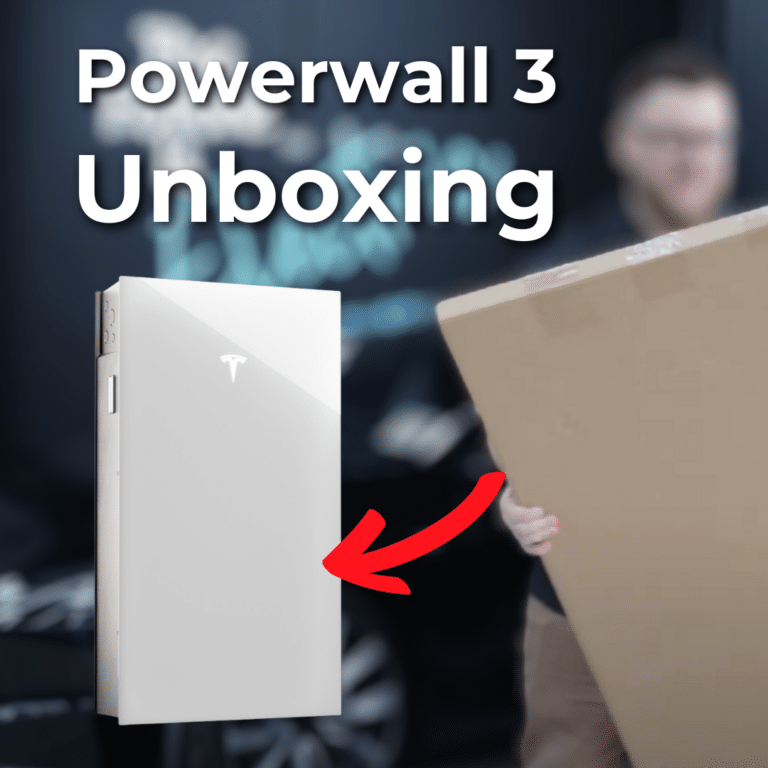
- Tesla Powerwall 3: 13.5 kWh with a built-in inverter, suited to whole-home backup for medium to large households.
- Enphase IQ Battery 5P: 5 kWh per module, 15-year warranty, suited to smaller households or those who want to scale up over time.
- Sigenergy SigenStor: 8 to 48 kWh, suited to three-phase homes, larger households, and homes planning to add an electric vehicle.
All three use lithium iron phosphate chemistry and qualify for the federal rebate and the NSW VPP Incentive.
Sources: