It’s easy to get stressed about choosing which installer will install your solar panels. Every installer says something different, and the prices jump around. You do not want to make an expensive mistake.
At PSC Energy, we see this a lot. You might feel confused and nervous about solar, or shy about fundamental questions. And what about dodgy work and poor support?
You don’t have to decide now, and it certainly doesn’t need to be us (though we’d prefer it if you did install through PSC). In the spirit of education, let’s dive deeper into finding a good solar installer.
In this article, you’ll learn about the following:
- Why Your Installer Choice Matters More Than the Panels
- Step 1: Get Clear on What You Want from Solar
- Step 2: Non-Negotiables: Licences, Accreditation and Insurance
- Step 3: How To Build a Shortlist of Installers
- Step 4: Questions to ask every solar installer
- Step 5: Red Flags and Deal Breakers
- Step 6: Contracts, Warranties and After-Sales Support
- FAQ: Installers
By the end of this article, you’ll have practical steps, key questions, red flags, and a final checklist.
Why Your Installer Choice Matters More Than the Panels
Picture two neighbours:
- They live on the same street.
- They have the same size roof.
- They both buy a 6.6 kW system.
Neighbour 1 picks the cheapest deal. The company sends a rushed crew. They offer no real site check, poor roof work, and weak after-sales support. The system produces less energy than promised. The roof starts to leak near the rail fixings. The owner calls, and no one picks up.
Neighbour 2 takes more time. They pick an installer with clear answers and good reviews who designs the system with care. The crew turns up on time. They explain how the system works, and the owner knows who to call if a panel fails.
Both owners have panels and inverters, so the big difference lies in the installation. Good design and good work protect your money.
The installer choice matters more than any brand name on the box.
If you’re interested in learning a bit more about the importance of a good installer for your solar (the most important component of any system, seriously), you might want to check out the following article titled, In-house Installers vs. Subcontractors: Which is Better?
Step 1: Get Clear on What You Want from Solar
Before you speak to installers, take a moment.
You decide what you want from your solar panels. You might want to lower bills or more control over your power. If you’re planning to buy an electric car later, you might consider a battery. Your goals and needs guide every choice when installing solar panels.
Ask yourself simple questions:
- How much do I want to cut my bill?
- Do I use more power in the day or at night?
- Do I plan to buy an EV or a battery in the next few years?
- Do I care more about payback time or about energy independence?
A good installer listens to this picture. They ask about your usage and your plans and shape the system to match your goals. A poor installer pushes the same package on everyone.
If you’re interested in learning a bit more about solar panels and energy systems, you might want to check out the following article titled, Are Solar Panels Worth It in NSW, Australia? A Price Breakdown for 2025.
Step 2: Non-Negotiables: Licences, Accreditation and Insurance
Now you set your basic rules. These rules protect you. They form your first filter.
In Australia, you want:
- A licensed electrician for the electrical work.
- A Solar Accreditation Australia accredited solar installer.
- Appropriate business and public liability insurance
Licence and accreditation show that the installer meets a basic standard, but they do not, on their own, prove high quality. There are sunshine cowboys out there who are not accredited.
That being said, almost all solar lead-generating websites, like SolarQuotes, only recommend accredited installers.
If you’d like to learn a bit more about our aftercare, you might want to check out the following article titled, Penrith Solar Centre’s Service Department Safeguards the Future of Your System.
Step 3: How To Build a Shortlist of Installers
You now build a shortlist. You do not need ten options. You aim for three candidates.
Start with:
- Personal recommendations.
- Local companies with office space.
- Well-known installers with a track record in your area.
Talk to friends, family or neighbours with solar and ask who they used. Investigate local companies that are established. How do you do that?
Easy: read reviews.
Use reviews as a second filter. You can look at the star ratings, but that will only tell so much. It’s important to read the reviews as well.
Look for:
- Detailed stories about the installation.
- Comments about communication.
- Comments about fixes and support.
- Recent dates on the reviews.
A mix of good and fair reviews can feel pretty honest. Pay attention to how the company replies to bad reviews. A thoughtful reply shows care, but a rude reply shows risk.
Think about local firms and big national brands.
Local firms:
- Often give more personal service.
- Know local rules and grid companies.
- May rely more on word of mouth, so they care about each job.
Big national brands:
- May offer strong systems and sharp prices.
- May have clear process and finance options.
- Can feel less personal and can change staff often.
You do not pick based solely on size. You choose based on proof of care, skill and support.
If you’d like to learn more about that, we suggest you check out the following article titled, How Long Will My Solar Install Take?
Step 4: Questions to ask every solar installer
Who designs my system and who installs it?
Ask who plans the layout and the system size, and if they use in-house staff or subcontractors.
Follow up with:
- How long have your installers worked with you?
- Do the same people install most of your jobs?
Subcontractors are not always a problem. Many good solar crews work as subcontractors. The key point lies in control and standards. You want an installer who knows their crews and checks their work.
Do you visit my home before the final quote?
Phone quotes and online quotes can help at the start. A good installer still arranges a site visit before they lock in the design. During the visit, they should:
- Check the roof condition.
- Check the switchboard.
- Check shading from trees or other buildings.
- Talk through cable runs and inverter location.
How did you decide on this system size and layout?
They should link the design to:
- Your past power bills.
- Your daily usage pattern.
- Your future plans, such as EVs or batteries.
- Roof shape and shading.
What brands and models do you offer and why?
Ask for models of panels, inverters and any other parts. Ask why they suggest these parts.
They should talk about:
- Reliability.
- Warranty support.
- How long they have used these brands.
What are the warranties in detail?
Ask about:
- Product warranty for panels.
- Product warranty for the inverter.
- Workmanship warranty for the install.
Ask for the warranty length in writing. Ask who you should contact for a claim, and whether they or the manufacturer handle issues.
How will I monitor my system?
Ask whether you get an app or an online portal, and whether they help you set it up after the install.
You do not need to understand every technical point. You pay attention to how the installer responds. Clear, calm and honest answers show respect. Vague answers and rushed talk show risk.
Step 5: How to compare quotes fairly
You now hold a few quotes in your hand. They all look different, and the prices vary.
First, line up the basics for each quote:
- System size in kilowatts.
- Panel brand and model.
- Inverter brand and model.
- Number of panels.
- Total price.
Location of the panels:
- Direction of each roof face.
- Any shading notes.
- Inverter location.
A good quote often includes a roof layout image. You can see the plan and check whether the panels sit on a part of the roof that gets shade for half the day.
Finally, compare warranties and support:
- Product warranty length.
- Workmanship warranty length.
- Service call rules and labour coverage.
- Response time for faults.
The cheapest quote often cuts corners in one of these areas. Maybe it uses lower-grade parts or offers a very short workmanship warranty. You might not get any help if the inverter fails in year eight.
Price still matters, but budget is real. Look at value, not price alone. A slightly higher price can save you money over the life of the system. A poor installation can cost you far more in stress, repair and lost energy.
Aim for at least three quotes. More than five is just confusing. Three solid quotes give you a strong view of the market.
If you’re interested in learning a bit more about working with a solar installer, you might want to check out the following article titled, Top Questions to Ask Your Solar Installer Before Hiring Them.
Step 5: Red Flags and Deal Breakers
As you talk with installers, sure signs should make you pause or walk away. Here are some clear red flags.
High-pressure sales tactics.
You hear lines such as:
- “This price is only valid today.”
- “You need to sign now to get this rebate.”
Real rebates and offers do change from time to time. A good installer gives you precise dates in writing and still gives you space to think. Hard pressure often indicates poor post-sale care.
Vague or thin quotes.
A bad quote hides detail. It may show:
- No panel model numbers.
- No inverter model numbers.
- No layout.
- No warranty details.
If you cannot see what you are buying, you cannot judge it. Ask for more details. If they refuse or fuss, move on.
No site visit and no questions.
Some companies send a quote without any deep questions. They might not ask about your roof, your bills or your plans. They might not want to visit.
This shows a cookie-cutter approach. Your home is unique, and your system should reflect this fact.
Wild savings claims.
If someone promises massive bill cuts with no data, stay careful. Solar can help a lot, but it has limits. Look for measured language and clear logic.
Poor communication.
If a company answers late, sends messy emails, or misses calls at the quote stage, see this as a sign. Service often drops further after you pay. You want a team that respects your time.
Any one of these red flags can justify a no from you. You have every right to protect your money and your home.
If you’re interested in learning a bit more about the importance of your roof type and how it affects your solar installation, you might want to check out the following article titled, How Does Your Roof Affect Your Installation?
Step 6: Contracts, Warranties and After-Sales Support
Once you feel good about an installer, you move to the final checks. These checks sit in the paperwork.
Your contract should clearly state:
- The exact system size in kilowatts.
- The brands and models of all parts.
- The total price and any payment schedule.
- What work the installer will do.
- Any extra costs, such as switchboard upgrades.
- The expected time frame for installation
Understand the three main types of warranty.
Product warranties.
These come from the panel and inverter manufacturers. They cover product defects for a set number of years. Panel product warranties often run for decades, but inverter warranties last 5–10 years.
Performance warranties.
A performance warranty guarantees that your solar panels will produce a certain percentage of their original output over a set number of years, usually 25-30. If the panels underperform during that time, the manufacturer or installer may repair, replace, or compensate you.
Workmanship warranties.
These come from the installer. They cover the quality of the installation work. For example, roof leaks from poor fixing points or loose wiring. This warranty should also be written clearly.
Ask who you contact if a part fails. Many people only discover confusion when a fault appears. Your first point of contact should be your installer.
Ask what support looks like in real life. For example:
- Do you offer help if my app shows a fault?
- How fast do you respond to service calls?
Strong after-sales support is a clear sign of a good installer. They plan for a long-term relationship and do not see your job as a quick sale.
If you’re interested in learning a bit more about what our team does, you might want to check out the following article titled, What to Expect on the Day of Your Solar Installation.
Your Simple Plan for Choosing a Good Solar Installer
Choosing a solar installer can feel hard at first. You now have a clear plan.
- Decide what you want from solar.
- Set non-negotiables with licence, accreditation and insurance.
- Build a shortlist from genuine reviews and real people.
- Ask strong questions about design, crews, parts and support.
- Compare quotes fairly and simply.
- Watch for clear red flags.
- Check contracts and warranties with care.
- Trust your gut in the end.
This process takes a little time, but it protects you for many years. A good installer, like PSC Energy, gives you a system that works, a roof that stays safe and a clear path if anything goes wrong. It’s what we do.
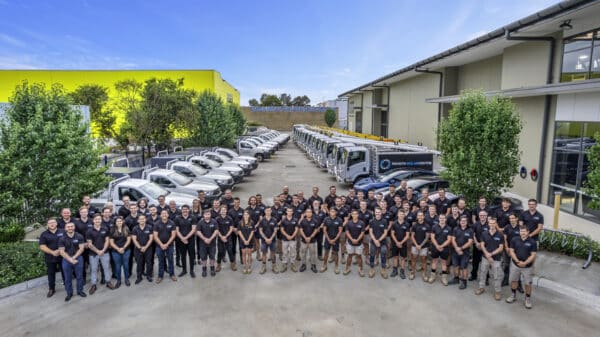
If you’re interested in hearing what our customers are saying about our installers, you might want to check out the following article titled, “I’ve never had a more positive experience with tradespeople.” – How Tabitha Saved with Penrith Solar Centre.
FAQ: Installers
What matters most when choosing a solar installer?
Your choice of installer matters more than the panel brand. A good installer designs the system well, looks after your roof, and supports you for many years. A poor installer rushes the job, cuts corners, and leaves you alone when something goes wrong.
What should I decide before I talk to solar installers?
Get clear on what you want from solar. Decide how much you want to cut your bill, whether you care more about payback or independence, and if you plan to add an EV or battery later. These answers help good installers design a system that fits your life.
Which licences and accreditations should a solar installer have in Australia?
You want a licensed electrician for all electrical work. You also want a Solar Accreditation Australia accredited installer and proper business and public liability insurance. These checks give you a basic safety and quality floor.
How do I build a shortlist of good solar installers?
Aim for about three strong candidates, not ten. Start with personal recommendations, local companies with real offices, and well-known installers with a track record in your area. Then use reviews as a second filter.
How should I use online reviews to choose a solar installer?
Look past the star rating and read the comments. Look for detailed stories about the install, clear feedback on communication, and notes about fixes and support. Pay attention to how the company responds to negative reviews, since polite responses show care and rude responses carry risk.
Are local solar companies better than big national brands?
Local firms often know local rules, care about each job, and lean on word of mouth. Big national brands can offer sharp prices, transparent processes, and finance options. You focus on proof of care, skill, and support, not size alone.
What questions should I ask every solar installer?
Ask who designs your system and who will install it. Ask if they use in-house crews or subcontractors and how long those teams have worked with them. Ask how they chose your system size and layout, which brands they offer, and how long they have used those brands.
Why does a site visit matter before I accept a solar quote?
A good installer visits your home before they lock in the design. During the visit, they check the roof, switchboard, and shading, and discuss cable runs and inverter location. This visit helps them design a safe and efficient system.
How do I compare solar quotes fairly?
First, line up the basics for each quote. Compare system size, panel model, inverter model, number of panels, total price, and layout. Then compare warranty lengths, service terms, and response times to judge value rather than price alone.
How many solar quotes should I get?
Aim for at least three solid quotes. Three gives you a clear picture of the market without drowning you in detail. More than five quotes usually adds stress and confusion.
What red flags should I watch for with solar installers?
Watch for high-pressure sales lines like “this price is only valid today”. Be careful with vague quotes that list no model numbers, no layout, and no warranty details. Walk away from companies that refuse site visits, make wild savings claims, or communicate messily and slowly.
Are subcontractors always a bad sign?
Subcontractors are not always a problem. Many skilled solar crews work as subcontractors. You want an installer who knows their crews, sets clear standards, and checks their work on every job.
What should my solar contract include?
Your contract should list the exact system size, all brands and models, the total price, and the payment schedule. It should also spell out what work the installer will do, any additional costs, such as switchboard upgrades, and the expected installation timeframe. Clear paperwork protects both you and the installer.
What are product, performance, and workmanship warranties?
The manufacturer issues a product warranty and covers defects in the panels and inverter for a set number of years. A performance warranty promises that the panels will deliver a certain percentage of their original output over about 25 to 30 years. The installer provides a workmanship warranty and covers problems with the installation, such as roof leaks and poor fixing.
Who should I contact if my solar system has a problem?
Your first call should go to your installer. Ask them in advance how they handle faults, how fast they respond to service calls, and whether they help with app and monitoring issues. A good installer plans for long-term support, not just the sale.