It may sound surprising coming from a solar company, but we think the current demerit point system for SAA-accredited solar installers in Australia is unfair. It punishes the wrong people for the wrong reasons.
Since the Cheaper Home Batteries program started, Australia has done more solar inspections. This is a good thing. More inspections mean better accountability, and homeowners can feel confident their system is safe.
But the same system that flags truly dangerous electrical work also takes demerit points from an electrician. These are very different problems, yet they get the same penalty.
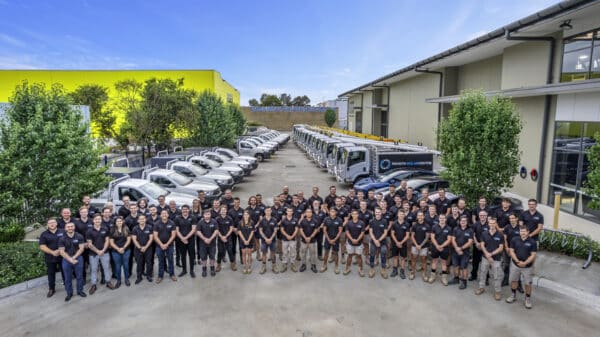
PSC Energy has over 40 SAA-accredited electricians, more than any other solar company in Australia. We put two accredited electricians on every job, run our own training facility, and have a full-time technical training manager. Our installation standards are among the highest in the country.
As a solar installation company full of SAA-accredited electricians, we are a little biased. What follows is an opinion piece.
If a policy like this affects companies like ours, it’s clear that it makes things even harder for the rest of the industry.
By the end of this article, you’ll know how the SAA demerit point system works, the difference between unsafe solar installations and minor labelling mistakes, and why Australia should fix this policy before more skilled electricians leave the industry.
What SAA Accreditation Means for Solar Installers in Australia
Solar Accreditation Australia (SAA) is the national body that accredits solar and battery installers in Australia. It took over this role from the Clean Energy Council in 2024, following a transition managed by the Clean Energy Regulator.
To legally install a system that qualifies for government rebate programs, an electrician must hold current SAA accreditation.
To earn that accreditation, an installer must:
- Hold a valid electrical contractor’s or worker’s licence.
- Complete SAA-approved solar or battery training.
- Pass a formal competency assessment.
- Complete ongoing professional development every year to keep their accreditation active.
SAA accreditation is more than just a formality. It means an installer has met national standards for electrical skills and solar knowledge. When you hire an SAA-accredited electrician, you can trust they have proven their abilities.
There’s also a practical reason this matters for homeowners. You can only get rebates from programs like the federal Cheaper Home Batteries program if an SAA-accredited installer does the work. Without accreditation, there’s no rebate.
Two Types of Substandard Solar Work, and Why Only One Is Actually Dangerous
The solar industry is facing a quality problem. Since the Cheaper Home Batteries program started and brought in many new operators, there has been more substandard work. But “substandard” actually means two very different things.
Type 1: Genuinely unsafe installations
This is work that creates real risk for the people living in the home. It includes:
- Faulty electrical wiring that creates a fire or electrocution hazard.
- Batteries are installed in locations that do not meet fire safety standards.
- Systems that fail basic Australian Standards for solar and battery installations.
- Any work that leaves the household exposed to an ongoing electrical risk.
This type of work deserves serious consequences. Demerit points, suspended accreditation, and removal from the industry are all proportionate responses. There is no argument here.
Type 2: Minor labelling defects
This is electrically safe and structurally sound but has a minor issue with the placement of a label. It includes:
- A “dual supply” label was placed in a slightly different position on the switchboard than an inspector expected.
- A required label that is present and legible but sits a few centimetres off from the current standard.
- A label that met the guidance from six months ago but does not match an updated requirement that was not formally communicated.
These issues don’t create electrical hazards or put anyone at risk. They’re about presentation and paperwork, not safety. But under the current system, they get the same penalty as serious safety failures. That’s the real issue.
If you’re interested in learning a bit more about the importance of a good installer for your solar (the most important component of any system, seriously), you might want to check out the following article titled, In-house Installers vs. Subcontractors: Which is Better?
How Solar Demerit Points Work in Australia
When an inspector visits a completed solar or battery installation and finds a defect, they can issue demerit points against the installing electrician’s SAA accreditation.
Here is the structure of the system:
- Each SAA-accredited electrician starts with 20 demerit points.
- A defect finding allows the inspector to deduct points.
- Once the electrician loses all 20 points, SAA suspends their accreditation for two years.
- During that suspension, the electrician cannot legally install solar or battery systems that qualify for any government rebate program.
A two-year suspension is a big deal. For an electrician who relies on SAA accreditation, it means two years without the qualification they need to work. Their income drops, and their family feels the impact.
The people with this accreditation are the ones doing the installations. They’re on the roof, running the wiring, and being assessed by inspectors. If they lose their accreditation, they can’t work.
Since the Cheaper Home Batteries program began, the NSW Government has increased solar and battery inspections. This helps homeowners by catching more dangerous work and improving quality. The inspections themselves aren’t the problem; the real issue is what leads to a demerit point.
If you’d like to learn more about that, we suggest you check out the following article titled, How Long Will My Solar Install Take?
Solar Labelling Problem: Rules Keep Changing and Inspections Are Inconsistent
Solar labelling requirements in Australia have not stayed still. The rules around which labels a battery installation must carry, how they must be displayed, and exactly where each one must go have changed regularly over the past few years.
Only three or four years ago, you did not need SAA accreditation at all to install a home battery. The standards governing battery installations, including labelling, have evolved rapidly since then. An installer doing things correctly by last year’s standard may not meet this year’s updated requirement.
This creates a set of compounding problems:
- Two inspectors working in the same area may reach different conclusions about the same label placement.
- An electrician who has installed dozens of systems to the same standard can be caught out by a rule change they were not formally told about.
- There is no single, consistently applied labelling reference that all inspectors use in the same way.
- An installation that passes one inspector may fail another, even though nothing about the installation changed.
At PSC Energy, we include 12 different labels with every battery installation. If one of those 12 sits in a position that an inspector considers incorrect, that electrician will face demerit points. Not for dangerous work. Not for electrical non-compliance. For a label.
The inspection system for labelling is inconsistent. Inspectors often come to different conclusions about the same work. This isn’t a reliable compliance system. It’s more like a lottery, and experienced electricians are losing their jobs because of it.
If you’re interested in learning a bit more about working with a solar installer, you might want to check out the following article titled, Top Questions to Ask Your Solar Installer Before Hiring Them.
Why Solar Labelling Policy Matters for Homeowners, Not Just Installers
This might seem like just an industry issue, but it affects you as well.
Here is why it affects you directly:
- Skilled electricians are leaving the solar industry. Installing solar means working at heights and with high-voltage electricity, both of which are risky jobs. The people who do this well are highly trained and hard to replace. When policies push good electricians out, homeowners lose access to the best installers.
- Demand for solar and battery installations is growing faster than supply. Government rebates have increased demand, but there aren’t enough SAA-accredited electricians to keep up. Any policy that reduces the number of accredited installers only makes the shortage worse and leads to longer wait times and higher prices.
- When skilled electricians leave, others take their place. The homeowners most affected are those who trusted the system to guarantee quality. If experienced, accredited electricians leave because the demerit system is too risky, the work still gets done, but not always by the best people.
- Demerit points should matter. If inspectors give them out for both serious electrical problems and small labelling mistakes, the penalty loses its meaning. A demerit point should show there’s a real issue. Right now, it just means something happened.
What Needs to Change: A Fix for Solar Demerit Point Policy in Australia
The solution here is straightforward. It has two parts.
First, labelling defects should not carry demerit points. An installer who leaves a system completely unlabelled should face consequences.
An installer who places one of 12 labels in a slightly different position than expected should receive a defect notice and a reasonable timeframe to correct it. That response fits the severity of the problem.
Second, the labelling rules need to be standardised and consistently enforced across all inspectors.
When the standard changes, inspectors should not begin enforcing it until installers have received clear, formal notification. Every inspector working in NSW should apply the same requirements to the same installation. Right now, they do not.
If you’re interested in learning a bit more about the importance of your roof type and how it affects your solar installation, you might want to check out the following article titled, How Does Your Roof Affect Your Installation?
Wrapping Up: Stick(er) to What Matters
The current system treats two very different problems as if they are the same. That’s not good policy. It doesn’t improve solar installation standards in Australia. Instead, it makes things harder and riskier for electricians who do their jobs well.
At PSC Energy, our installers bring the best training in the country to every job. We have more SAA accreditations than any other company in Australia and have invested a lot in doing things right.
We are speaking up because if this system affects us, it affects everyone in the industry. For a battery system installed by SAA-accredited electricians who hold themselves to the highest standards, contact PSC Energy. It’s what we do.
If you’re interested in learning more about the Cheaper Home Batteries Program and it’s recent changes, you might want to check out the following article titled, Changes to the Australian Government’s Cheaper Home Batteries Program Explained.
FAQ: Solar Labelling Requirements
What is SAA accreditation in solar, and why does it matter?
Solar Accreditation Australia (SAA) issues accreditation to electricians who meet its national standard for competency in solar and battery installation. SAA took over this role from the Clean Energy Council in 2024. Without SAA accreditation, an installer cannot legally carry out work that qualifies for government rebate programs, including the federal Cheaper Home Batteries program. It is the industry’s primary quality and safety benchmark.
What are solar labelling requirements in Australia?
Solar labelling requirements specify which warning and identification labels an installer must attach to a solar or battery system, where each label must go, and how it must be displayed. Australian Standards and SAA guidelines set these requirements. They update regularly, and accredited inspectors enforce them during post-installation checks.
How do solar demerit points work for SAA-accredited electricians?
Each SAA-accredited electrician holds 20 demerit points. When an inspector finds a defect during a solar inspection, they can deduct points from that electrician’s accreditation. If the electrician loses all 20 points, SAA suspends their accreditation for 2 years, preventing them from installing systems eligible for any government rebate during that period.
Does a solar labelling defect make my home unsafe?
No. A labelling defect means a label is missing or incorrectly positioned. It does not mean the electrical work is faulty or that the system poses a risk to your household. Unsafe solar installations involve electrical faults, non-compliant wiring, or batteries placed in locations that breach fire safety standards. These are separate issues with separate consequences.
What is the Cheaper Home Batteries program, and how has it changed solar inspections in NSW?
The Cheaper Home Batteries program is a federal government initiative that subsidises the cost of home battery storage systems across Australia. Since the program launched and increased the number of battery installations across NSW, the state government has substantially increased the rate of solar and battery inspections. This has improved overall compliance and increased homeowners’ confidence in the quality of their installations. The issue is not the inspections themselves but the way the demerit point system responds to minor labelling defects found during those inspections.
Why is it hard to find SAA-accredited solar electricians in Australia?
Solar installation work combines working at heights with high-voltage electrical work. It is physically demanding, technically specialised, and requires ongoing training to maintain SAA accreditation. Not many electricians choose to specialise in it. Any policy that makes it easier for a minor administrative error to end an electrician’s accreditation discourages skilled tradespeople from staying in the industry, making an already short supply of qualified installers even shorter.