Picture this: you bought a solar and battery system six months ago. The salesperson was friendly, the price made sense, and the installation went smoothly.
Then something goes wrong. Maybe the battery stops charging, a panel isn’t working, or you notice a new crack. The installer blames the manufacturer, the manufacturer blames the installer, and you’re left not knowing what to do.
At PSC Energy, we have managed real warranty claims with major manufacturers, including some that have left Australia. We have seen cases where things are resolved easily and others where they are not. This experience helps us know what Australian homeowners should understand about solar warranties before any issues come up.
In this article, you’ll learn about the following:
- What a Solar Warranty Covers
- What to Do If Your Solar Warranty Is Denied
- Your Rights Under Australian Consumer Law
- Why Who You Buy from Matters More Than the Product
- What to Look for in an Installer to Protect Your Solar Warranty
- FAQ: Solar Warranties
By the end of this article, we explain what your solar warranty covers, what to do if a claim is denied, how Australian Consumer Law protects you, and why picking the right installer matters more than the paperwork.
What a Solar Warranty Covers
Most solar and battery systems come with four separate warranties, each covering a different aspect.
A solar panel warranty typically covers two things: product defects and performance.
The product warranty covers manufacturing defects and usually lasts 10 to 12 years.
The performance warranty guarantees your panels will still produce a minimum percentage of their rated output, usually around 80%, after 25 years.
A solar inverter warranty covers the inverter unit against manufacturing defects and usually runs for five to ten years, though some manufacturers offer extensions.
A solar battery warranty covers the battery unit against defects and guarantees a minimum level of performance over the warranty period, usually measured in cycles or years. Most solar battery warranties last 10 years.
A solar installation warranty covers the quality of the physical installation work. This is provided by your installer, not the manufacturer, and covers items such as roof penetrations, wiring, and mounting.
Here is what can void your solar warranty:
- Physical damage caused by the homeowner or a third party.
- Modifications to the system made without manufacturer approval.
- Installation errors, including incorrect wiring or failure to follow the manufacturer’s installation guidelines.
- Using components that are not approved or compatible with the system.
- Failure to maintain the system as recommended by the manufacturer.
If you’re interested in learning a bit more about battery warranties, you might want to check out the following article titled, Which Solar Battery Has the Best Warranty?
What to Do If Your Solar Warranty Is Denied
If your claim is denied, ask for the denial in writing and request the specific reason. This gives you clear information to work with and can show if the denial matches your warranty terms.
Here is what to do from there:
- Contact your installer directly and put your request in writing. Ask them to speak to the manufacturer for you. Installers with good manufacturer relationships can often sort out disputed claims better than homeowners can on their own.
- If your installer does not respond, contact the manufacturer yourself. Ask for a formal review and include any evidence you have, like photos, installation records, and emails.
- If neither the installer nor the manufacturer will help, you have legal options under Australian Consumer Law. We explain these in the next section.
If your claim is worth a lot, consider getting independent legal advice.
Your Rights Under Australian Consumer Law
Australian Consumer Law protects you if a product or service does not do what it was supposed to.
For solar owners, this means the business that sold you your system must provide a solution, no matter what the manufacturer says.
Here is what that means in practice:
- If a manufacturer denies your warranty claim but your product clearly has a defect, the Australian Consumer Law may still require your installer or solar retailer to provide a repair, replacement, or refund.
- This protection applies even if the manufacturer has exited the Australian market or is otherwise uncontactable.
- Australian Consumer Law rights exist on top of any manufacturer warranty and cannot be removed by fine print.
Australian Consumer Law can be complicated, and each case is different. If you think your rights have been ignored and you are not getting help, get independent legal advice.
If you’re interested in learning a bit more about the warranties for the products we install, you might want to check out the following article titled, A Complete Guide to Solar Warranties.
Why Who You Buy from Matters More Than the Product
Buying solar and a battery in Australia in 2026 is not the same as it was in 2020.
Before, if your panels failed, you might just notice a higher power bill and call any electrician.
Now, solar and battery systems are more complex and valuable. If something goes wrong, you need an installer who knows your system, works well with the manufacturer, and can fix problems properly.
Buying solar and a battery today is a long-term commitment, not a quick choice. Most systems will be with you for at least 10 years, and panels can last up to 25 years.
For example, Q Cells and LG were once top solar panel brands in Australia, but both have left the market.
- LG has still helped Australian customers with replacement modules, though not always perfectly.
- Q Cells have been more difficult to deal with.
For homeowners, the experience depended on who installed their system and how willing that installer was to help when issues came up.
Here is what that means if you are buying solar and a battery today:
- Your installer is your primary protection if a manufacturer exits the market or denies a warranty claim.
- An installer with their own service team, good manufacturer relationships, and a long history is very different from one who subcontracts work and does not offer ongoing service.
- Choosing based only on price works for some things, but with solar and batteries, it can end up costing you much more over time.
What to Look for in an Installer to Protect Your Solar Warranty
Here is what to look for before you commit:
- An in-house service and maintenance team. This shows the business is ready to help you after installation, not just while the work is being done.
- Demonstrated manufacturer relationships. Ask how they handle warranty claims and whether they have a direct line to the manufacturers they work with.
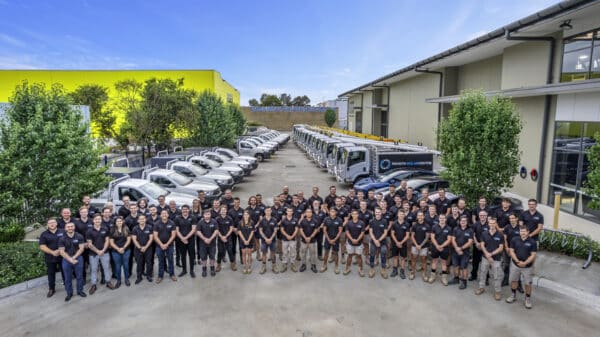
- An established local presence. A business with an actual office, team, and history in your area is much more likely to still be there in ten years.
- Transparency about warranty terms. Your installer should be able to explain the warranties for your solar panel, solar inverter, solar battery, and solar installation before you sign anything.
- A history of keeping promises. Check reviews that mention after-sales service and warranty support.
If you’re interested in learning a bit more about the importance of a good installer for your solar (the most important component of any system, seriously), you might want to check out the following article titled, In-house Installers vs. Subcontractors: Which is Better?
Built to Last, Backed to Prove It
A solar warranty is only as good as the people behind it. Manufacturer warranties help, and Australian Consumer Law adds more protection. But your best safeguard is an installer who treats your system as a long-term responsibility and has the skills to back it up.
Choosing the right installer is the best way to protect yourself. If you want clear advice about your solar warranty or are thinking about buying a solar and battery system, fill out our online form and the PSC Energy team will contact you. It’s what we do.
If you’re interested in learning a bit more about working with a solar installer, you might want to check out the following article titled, Top Questions to Ask Your Solar Installer Before Hiring Them.
FAQ: Solar Warranties
What does a solar warranty cover?
A solar warranty is not a single document. It consists of four separate warranties: your solar panel warranty, your solar inverter warranty, your solar battery warranty, and your solar installation warranty. Each one covers something different, and understanding which applies to your problem is the first step in making a successful claim.
How long does a solar panel warranty last in Australia?
Most solar panel warranties in Australia include a product warranty of ten to twelve years covering manufacturing defects, and a performance warranty of up to 25 years guaranteeing your panels will still produce at least 80 per cent of their rated output. Always check both when reviewing your solar warranty documents.
What does a solar installation warranty cover?
A solar installation warranty covers the quality of the physical work carried out by your installer. This includes roof penetrations, wiring, and mounting. It is separate from the manufacturer’s product warranties and is the direct responsibility of the business that installed your system.
What should I do if my solar warranty claim is denied?
Start by getting the denial in writing and asking for the specific reason. Then contact your installer directly and ask them to intervene with the manufacturer. If that does not resolve the issue, escalate to the manufacturer with supporting evidence, including photos and installation records. If both refuse to help, you may have rights under the Australian Consumer Law. For significant claims, seek independent legal advice.
What does a solar battery warranty typically cover?
A solar battery warranty covers the battery unit against manufacturing defects and guarantees a minimum level of performance over the warranty period. Most solar battery warranties in Australia run for ten years and measure performance in either years or charge cycles. Check your warranty documents carefully for the specific terms and any conditions that could void the warranty.
What is a solar inverter warranty, and how long does it last?
A solar inverter warranty covers your inverter unit against manufacturing defects. Most solar inverter warranties run for five to ten years, though some manufacturers offer extended warranty options. Because inverters are one of the more failure-prone components in a solar system, the length and terms of the inverter warranty are worth checking closely before you buy.
Does the Australian Consumer Law protect me if my solar warranty is denied?
Yes. Under Australian Consumer Law, the business that sold you your solar system is legally responsible for providing a remedy if a product fails to do what it was sold to do, even if the manufacturer denies the warranty claim. This protection exists on top of your manufacturer’s warranty and cannot be removed by fine print. Australian Consumer Law can be complex, so seek independent legal advice if you believe your rights have been breached.
Why does it matter who I buy my solar system from?
Because your installer is your primary line of defence when things go wrong. If a manufacturer exits the Australian market or denies a warranty claim, it falls on the business that sold you the system to find a solution. An installer with an in-house service team, strong manufacturer relationships, and a long local track record is far better placed to honour your solar warranty than one who subcontracts installations and has no ongoing service capability.
What should I look for in a solar installer to make sure my warranty is protected?
Look for an installer with an in-house service team, demonstrated manufacturer relationships, a physical local presence, and a clear track record of supporting customers after installation. Before you sign anything, make sure they can explain every component of your solar warranty in plain terms, including your solar panel, solar battery, solar inverter, and solar installation warranties.