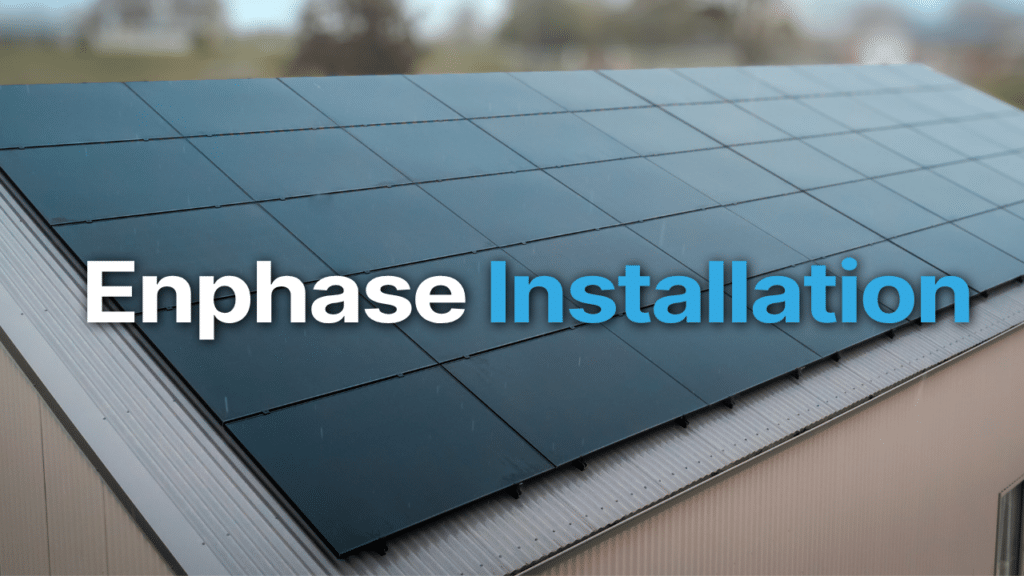
If you’ve researched Enphase, you might have thought about installing it yourself. The system is modular, and the microinverters are compact and self-contained. Maybe you’ve watched some videos or know someone who tried it.
So, do you actually need a professional, or can you do it yourself?
That’s a common question. Enphase systems look more user-friendly than traditional setups. But even if they seem simple, it doesn’t mean it’s legal or safe to install them yourself.
At PSC Energy, we regularly install Enphase systems. We know the commissioning process, what can go wrong, and what’s at stake if it isn’t done properly.
In this article, you’ll learn about the following:
- Why Enphase Feels Like a DIY Product
- Enphase Professional Installation: What Australian Law Requires
- What an Enphase Installer Does
- What You Lose by Going DIY
- Enphase Professional Installation: How to Find a Good Installer
- FAQ: Enphase Professional Installation in Australia
By the end of this article, we’ll clearly explain whether you need a professional installer in Australia, what the law requires, and what you risk if you try to do it yourself.
Why Enphase Feels Like a DIY Product
It’s understandable why people ask. Enphase systems are built differently from most solar setups, so they seem more accessible.
Here’s why Enphase is different:
- Each microinverter attaches directly beneath an individual solar panel and converts DC power to AC power right at the source. There’s no large, centralised inverter unit to deal with.
- With the modular design, you can add panels and microinverters one by one. It feels more like plugging in parts than building a complex electrical system.
- The Enphase Enlighten app lets you monitor each panel in detail from your phone. This can make it seem like anyone can manage the system.
- Enphase’s marketing and product design aim to make things accessible. They encourage homeowners to use their technology directly.
This isn’t misleading. Enphase systems are user-friendly once they’re set up. But being easy to use is not the same as being safe or legal to install yourself.
Enphase Professional Installation: What Australian Law Requires
In Australia, the law is clear. Solar panel systems are classified as electrical installations, and electrical work must be carried out by a licensed electrician. This applies to every brand and every system type, including Enphase.
Here’s what the legal framework looks like:
- Under Australian Standard AS/NZS 3000 (the Wiring Rules) and state-based electrical licensing laws, connecting any solar system to your home’s electrical system or to the grid requires a licensed electrician.
- Grid connection specifically requires a licensed electrical contractor in every state and territory. Connecting to the grid without one is illegal.
- In most states, solar work also requires a separate solar accreditation. Installers must hold accreditation from the Clean Energy Council (CEC) to legally design and install grid-connected solar systems in Australia.
- CEC-accredited installers are the only installers whose work qualifies for Small-scale Technology Certificates (STCs), which are a federal government incentive that reduces your upfront system cost.
There is no DIY exemption for Enphase systems. The modular design doesn’t change the legal classification of the work.
If you’re interested in learning a bit more about Enphase microinverters, you might want to check out the following article titled, Pros and Cons of Enphase Microinverter Solar Systems.
What an Enphase Installer Does
Some people think installation is simple because the visible steps look easy: panels on the roof, microinverters clipped underneath, and cables running down the wall. But the electrical work that requires a licensed professional is much more complex than it appears.
A licensed Enphase installer handles:
- Electrical design: Sizing the system correctly for your roof, your energy consumption, and your grid connection point.
- Roof mounting and structural assessment: Confirming your roof can support the load and positioning panels for maximum output.
- DC and AC wiring: Running cabling from the panels, through the microinverters, and into your switchboard. This involves working inside your home’s electrical system.
- Switchboard work: Installing a solar disconnect switch and ensuring your switchboard is compliant before connecting the system.
- Grid connection: Submitting a network application to your electricity distributor and ensuring the system meets their technical requirements.
- Enphase commissioning: Setting up the Enphase IQ Gateway, connecting the system to the Enlighten monitoring platform, activating each microinverter, and pushing firmware updates. This step alone can take 30 minutes to several hours, depending on software and firmware variables.
- Inspection and sign-off: Completing the relevant electrical safety certificates required in your state before the system can be legally energised.
Understanding the commissioning process is important. It’s not just pressing a button and walking away. Commissioning involves checking that each microinverter works and communicates, fixing any that don’t, updating firmware, and setting up grid export settings.
If you’re interested in learning a bit more about the importance of a good installer for your solar (the most important component of any system, seriously), you might want to check out the following article titled, In-house Installers vs. Subcontractors: Which is Better?
What You Lose by Going DIY
If you were to install an Enphase system without a licensed electrician and CEC-accredited installer, here’s exactly what’s at stake:
Warranties
- Enphase’s warranty is only valid if a qualified professional installs the system. If you install it yourself, you lose the Enphase warranty entirely.
- If unlicensed electrical work causes damage or a fire, your homeowner’s insurance may not cover it.
Rebates and incentives
- Only a CEC-accredited installer can create STCs (Small-scale Technology Certificates). If you install the system yourself, you won’t receive the federal government rebate, which could save you thousands of dollars depending on your system size.
- State battery rebates or VPP incentives also require professional installation to be eligible.
Grid connection
- Your electricity distributor won’t approve a grid connection unless a licensed electrician installs and certifies your system. Without this approval, your system can’t export power and often can’t legally run at all.
Safety
- Working on rooftop electrical systems is truly risky. Being on a roof and handling live electrical parts without proper training and equipment is dangerous.
- If a system is not installed correctly, it can cause fire hazards, risk of electrocution, or hidden damage to your home’s electrical system.
Legal liability
- If unlicensed or uninspected electrical work causes damage or injury, you are fully responsible. This includes damage to a neighbour’s property if a fault affects the shared network.
If you’re interested in learning a bit more about working with a solar installer, you might want to check out the following article titled, Top Questions to Ask Your Solar Installer Before Hiring Them.
Enphase Professional Installation: How to Find a Good Installer
It’s one thing to know you need a professional, but finding the right installer is another matter. Here’s what you should look for:
- CEC accreditation: Check that your installer holds a current Clean Energy Council accreditation. You can verify this directly on the CEC’s public installer database.
- Enphase experience: Ask if the installer has set up Enphase systems before. Commissioning Enphase has its own challenges, and someone with experience will handle it faster and more confidently than someone new to it.
- In-house installers: Ask whether the company uses its own employed installers or subcontracts the work. In-house teams are generally more accountable for quality and easier to contact if something goes wrong post-installation.
- Workmanship warranty: A good installer will provide a separate warranty for their work, not just the product. This covers the quality of the installation itself.
- References and reviews: Ask for examples of Enphase installations they’ve completed and check independent reviews to see how they handle support after installation.
Wrapping Up: Leave it to the Pros, No Strings Attached
Enphase systems are impressive. The microinverter design is excellent, the Enlighten monitoring platform works well, and the modular setup makes it feel easy to use.
But in Australia, you must use a licensed electrician and CEC-accredited installer for any grid-connected solar system. Doing it yourself is illegal, voids your warranties, means you miss out on government rebates, and brings serious safety and liability risks. The design does not change the legal requirements.
If you want straightforward advice about Enphase installation, PSC Energy installs these systems often and can guide you through the whole process, including costs and what to expect. It’s what we do.
If you’re interested in learning a bit more about the cost of an Enphase solar system, you might want to check out the following article titled, How Much Does a Microinverter Solar System Cost?
FAQ: Enphase Professional Installation in Australia
Do Enphase systems require professional installation in Australia?
Yes. Like all grid-connected solar systems in Australia, Enphase systems must be installed by a licensed electrician. Grid connection work also requires CEC accreditation. There is no legal pathway to DIY install an Enphase system and connect it to the grid.
Can I install Enphase microinverters myself?
No. Even though Enphase microinverters are modular and user-friendly to operate, physically installing them and connecting them to your home’s electrical system and the grid is classified as electrical work under Australian law. This work requires a licensed electrician and, for STCs to apply, a CEC-accredited solar installer.
What happens to my Enphase warranty if I install it myself?
Your Enphase product warranty is voided. Enphase requires professional installation as a condition of its warranty, and a DIY installation doesn’t satisfy that condition. Your home insurance policy may also be affected if unlicensed electrical work causes damage.
Will I lose the solar rebate if I install Enphase without a professional?
Yes. Small-scale Technology Certificates (STCs), which reduce your upfront system cost, can only be created by a CEC-accredited installer. A DIY installation disqualifies you from this federal government incentive and from any state-based rebates that require professional installation for eligibility.
What does Enphase commissioning involve?
Commissioning an Enphase system involves setting up the IQ Gateway, registering each microinverter, connecting the system to the Enlighten monitoring platform, applying firmware updates, and confirming grid export settings. This process typically takes at least 30 minutes and can take longer depending on software and connectivity variables. It requires technical knowledge and is not something a homeowner can do independently.
How do I find a good Enphase installer in Australia?
Look for a CEC-accredited installer with specific Enphase experience. Verify their accreditation on the Clean Energy Council’s installer database, ask whether they use in-house installers or subcontractors, and confirm they offer a workmanship warranty in addition to the manufacturer’s product warranty. The team at PSC Energy installs Enphase systems regularly and is happy to answer questions about the process before you commit to anything.
Is DIY solar legal anywhere in Australia?
Some states allow homeowners to carry out minor solar-related tasks, such as mounting brackets, but connecting any solar system to your home’s electrical system or the grid requires a licensed electrician in every state and territory. The legal threshold for what counts as “electrical work” is lower than most people expect.
Why does Enphase commissioning take so long compared to other batteries?
Enphase commissioning is software-heavy. Each microinverter must be individually detected, registered, and updated, and firmware issues can significantly slow the process. By comparison, some competing battery systems can be commissioned in under 15 minutes. This doesn’t reflect poorly on the hardware quality, but it does mean your installer needs to budget more time on site for an Enphase job.